Scrying Ball
A Designer’s Take on the Magic of Embroidery
As a designer who has stitched countless projects from custom apparel to holiday gifts, I often find myself evaluating embroidery designs with a critical eye. Scrying Ball is one such design that caught my attention—not just for its aesthetic, but for its potential in real-world applications. Before diving into a client project or crafting a handmade product, it's essential to assess how a design will hold up under the weight of practical use.
The First Impression: A Mystical Mood
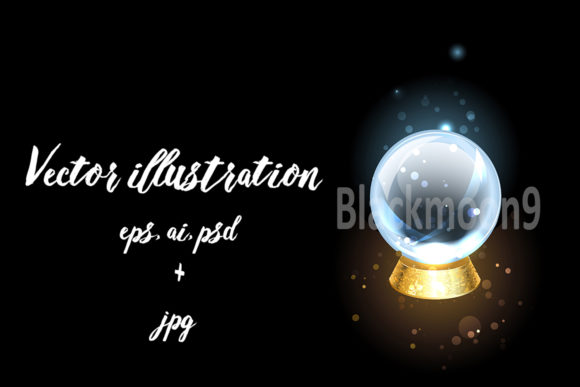
Scrying Ball immediately evokes a sense of mystery and intrigue. Its shape is rounded and smooth, reminiscent of an ancient artifact, while the intricate details suggest a deeper narrative. The layout is balanced, with a central focus that draws the eye naturally. This makes it ideal for products where visual storytelling is key—think personalized gifts or boutique branding.
The theme of Scrying Ball feels timeless, blending elements of fantasy with a subtle elegance. It’s not overly busy, which is a relief for those of us who prefer clean, meaningful designs. The visual personality leans towards the mystical, making it a strong candidate for holiday or themed projects without feeling out of place in everyday use.
Real-Life Applications: Where Does Scrying Ball Belong?
Scrying Ball has a versatile appeal that makes it suitable for a wide range of embroidery projects. From custom apparel like sweatshirts and tote bags to more specialized items like embroidered patches and baby clothing, this design holds its own. Its size and complexity make it well-suited for medium to large hoop sizes, allowing for detailed stitching without overwhelming the fabric.
When considering commercial applications, Scrying Ball could be a standout choice for Etsy sellers or small shop owners looking to create unique, marketable products. It’s also a great fit for craft fairs and boutique displays, where visual impact is crucial. For personal use, it adds a touch of enchantment to handmade items like pillow covers or tea towels.
Design Considerations for Real Projects
Before committing to Scrying Ball, there are several factors to consider. The design’s density and detail level mean it requires careful handling, especially on delicate or textured fabrics. While it looks stunning on cotton or linen, it may not perform as well on thin or stretchy materials. Testing on scrap fabric is always a good idea to ensure stitch clarity and overall appearance.
Stitch density is another important factor. Scrying Ball features a mix of satin and fill stitches, which can add depth and dimension. However, this also means it may require more time and precision during the embroidery process. Proper stabilizer use is essential to maintain fabric integrity and prevent puckering, particularly when working with layered garments or curved surfaces like caps.
Thread color contrast plays a significant role in the final outcome. The design benefits from high-contrast threads, especially when used on dark fabrics. Testing in black and white mockups can help identify any potential issues with visibility or detail retention. For best results, consider using a variety of thread colors to enhance the design’s visual appeal without overpowering it.
Where to Use Scrying Ball with Caution
While Scrying Ball is a versatile design, it’s not without its limitations. Due to its detailed nature, it may not be ideal for small hoop sizes or products requiring frequent washing. Dense stitch areas and intricate corners can be challenging to execute on thin or stretchy fabrics, potentially leading to distortion or uneven stitching.
Products with curved surfaces, such as caps or hats, may require additional planning to ensure the design fits smoothly. Similarly, items with tiny lettering or decorative accents should be approached with care, as these elements can be easily lost in the embroidery process. Always inspect small details before finalizing a project to avoid surprises.
Impact on Visual Appeal and Product Value
Scrying Ball has the potential to elevate the visual appeal of any project it adorns. Its mysterious charm and balanced composition make it a standout choice for both personal and commercial use. When applied to custom apparel or handmade products, it adds a unique element that can set your work apart in a competitive market.
From a customer perspective, Scrying Ball is likely to be well-received, especially among those drawn to mystical themes or fantasy aesthetics. It offers a sense of quality and thoughtfulness that aligns well with handmade products and personalized gifts. This can contribute to increased buyer engagement and trust in your brand.
Practical Design Notes for Success
As an embroidery designer, I recommend taking a few steps before incorporating Scrying Ball into your projects. Start by testing the design on scrap fabric to assess stitch clarity and overall appearance. Check thread color contrast and review stitch density to ensure it meets your standards.
Confirm the hoop size required for Scrying Ball and use proper stabilizer to support the fabric during stitching. If you plan to sell finished products or digital files, make sure you have the appropriate licensing in place. Lastly, consider how the design will look in different lighting conditions and fabric backgrounds to ensure it remains visually appealing across all applications.
Final Thoughts
Scrying Ball is a design that balances beauty with practicality, offering a unique blend of mystique and craftsmanship. Whether you're creating custom apparel, holiday gifts, or boutique products, it has the potential to leave a lasting impression. With careful consideration and proper execution, it can become a valuable asset in your embroidery portfolio.