Pine Tree Illustrations for Local Branding
First Impressions and Brand Personality
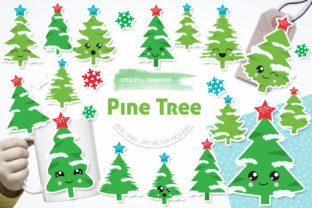
The Pine Tree illustration immediately evokes a sense of calm, nature, and simplicity. Its clean lines and organic shapes suggest a brand that values authenticity and connection with the environment. It feels handcrafted yet professional, making it ideal for small businesses that want to convey warmth and approachability without sacrificing quality. This design asset is particularly suited for local brands in the food, handmade, and lifestyle sectors.
Visual Fit for Small Business Branding
Pine Tree can serve as a versatile graphic design asset for a variety of branding needs. Whether used as a logo design element, a packaging accent, or a social media graphic, its subtle details add character without overwhelming the viewer. It works especially well for boutique stores, artisanal product lines, and eco-conscious brands looking to communicate their values through visual storytelling.
Practical Use Cases in Packaging and Branding
- Product Labels: The Pine Tree illustration can be scaled down for use on product labels, adding a touch of personality to items like candles, soaps, or baked goods.
- Package Accents: As a decorative element, it enhances packaging design by creating visual interest without competing with essential information.
- Social Media Graphics: Pine Tree can be incorporated into Canva templates or custom designs for Instagram, Facebook, and Pinterest, helping to maintain a cohesive brand identity across platforms.
- Thank-You Cards: Its natural aesthetic makes it a perfect choice for thank-you cards, gift tags, and other branded stationery.
- Marketing Visuals: From flyers to promotional banners, Pine Tree adds a fresh and modern feel to marketing materials.
Supporting Brand Identity and Customer Trust
Incorporating Pine Tree into a brand's visual hierarchy can strengthen first impressions and build customer trust. Its consistent style supports a unified brand identity, making it easier for customers to recognize and remember your business. The illustration also contributes to a more polished and professional look, which is crucial for small business branding and commercial design projects.
Best Use Cases for Pine Tree Illustrations
Pine Tree shines in applications where subtle decoration complements rather than distracts from the main message. It excels in:
- Hero Graphics: For website banners or product mockups, Pine Tree acts as a focal point that draws attention without overpowering content.
- Seasonal Campaigns: Its adaptability allows it to be repurposed for holiday themes, seasonal promotions, or limited-edition product lines.
- Boutique Visuals: In retail settings, Pine Tree can enhance store displays, signage, and in-store graphics.
- Printable Designs: Whether for brochures, price lists, or menu graphics, Pine Tree offers a clean and modern aesthetic that translates well to both digital and print formats.
Areas to Use with Caution
While Pine Tree is a versatile design asset, it may not be suitable for all applications. Consider using it carefully in:
- Formal Corporate Branding: Its casual tone may not align with the seriousness of corporate identity.
- Very Small Labels: The illustration may become too intricate or lose clarity at smaller sizes.
- Crowded Product Packaging: It could compete with text or other elements, reducing readability.
- Ingredient-Heavy Layouts: In food packaging, where ingredients are often listed prominently, Pine Tree might be less effective.
- Low-Contrast Backgrounds: It may not stand out enough in environments with minimal color contrast.
Design Notes for Professional Use
As an experienced brand designer, I recommend testing Pine Tree in real-world scenarios before finalizing its use. Here are some practical steps:
- Test on Mockups: Preview how Pine Tree looks on actual product packaging and label designs.
- Check Black and White Usage: Ensure the illustration maintains its impact when printed in monochrome.
- Preview on Small Labels: Confirm that it remains legible and visually appealing at smaller scales.
- Compare with Competitors: Analyze how Pine Tree fits within the broader market landscape.
- Confirm Commercial Licensing: Always verify that you have the proper rights to use the asset for client work or physical product sales.
- Inspect File Formats: Review PNG and SVG versions for transparency, editability, and compatibility with design software.
- Test with Different Fonts: Evaluate how Pine Tree interacts with serif, sans-serif, script, and display fonts.
Conclusion: A Versatile Asset for Modern Branding
Pine Tree is a valuable addition to any designer’s toolkit, especially for small business branding and creative marketplace projects. Its ability to blend elegance with approachability makes it a strong candidate for product packaging, social media graphics, and brand identity development. With thoughtful application and proper licensing, this illustration can elevate your design assets and support a cohesive, professional brand presence.