Gingerbread Dreams Illustrations
First Impressions and Editorial Mood
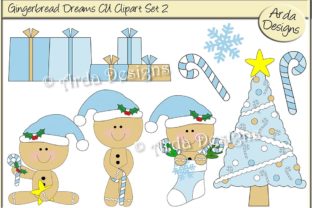
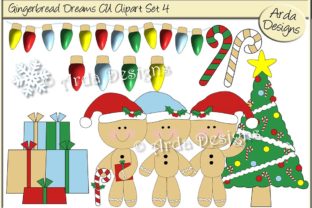
The first time I saw Gingerbread Dreams, I was struck by its warm, inviting aesthetic. This graphic design asset brings a sense of nostalgia and comfort, reminiscent of holiday cheer with a modern twist. The illustrations are rich in detail yet maintain a clean, approachable look that feels both seasonal and timeless. It creates an editorial mood that leans toward lifestyle, creativity, and education, making it ideal for content that aims to engage and inspire.
Visual Communication and Reader Trust
As an experienced blog designer, I know that visual communication plays a critical role in reader trust and engagement. Gingerbread Dreams supports this by offering a consistent and polished visual language. Its use of color and composition helps establish a strong brand identity, which is essential for publishers looking to build credibility and recognition. Whether used as a website header or a social media graphic, the illustrations contribute to a professional and trustworthy image.
Publishing Workflow Integration
In a real publishing workflow, Gingerbread Dreams can be a versatile asset. Imagine a blogger preparing featured images for a seasonal post. These illustrations could serve as the main visual anchor, drawing readers in with their charm and warmth. They also work well as Pinterest pins, where they can stand out against the clutter of other visuals. For newsletter headers, Gingerbread Dreams adds a touch of personality without overwhelming the content.
Editorial Use Cases
- Blog Featured Images: Gingerbread Dreams can act as a compelling lead image for articles related to holidays, crafts, or creative living.
- Pinterest Pins: The illustrations are perfect for creating eye-catching pins that align with lifestyle and educational niches.
- Article Headers: They provide a visually engaging start to any editorial piece, setting the tone for what's to come.
- Website Banners: These can be used to promote seasonal content or special features on a blog or digital guide.
- Newsletter Graphics: They add a decorative element that enhances the overall aesthetic of email campaigns.
- Lead Magnets: Downloadable resources like worksheets or printables benefit from the warmth and clarity of these illustrations.
- Digital Guides: Gingerbread Dreams can help break up text and make complex information more digestible.
- Social Media Posts: They offer a cohesive visual theme across platforms, reinforcing brand identity.
Supporting Content Performance
Using Gingerbread Dreams can significantly enhance content performance. The illustrations create a stronger first impression, helping to capture attention quickly. They also support clearer visual hierarchy, guiding the reader’s eye through the content effectively. With a consistent and appealing design, these assets can boost click-through rates and improve reader retention. Moreover, they contribute to a more professional-looking website, which is crucial for building long-term audience trust.
Best Use Cases
Gingerbread Dreams shines in environments where a friendly, approachable style is needed. It works best as hero images, article thumbnails, and editorial accents. It's also excellent for downloadable resources, category visuals, and social media previews. When placed strategically, these illustrations can elevate the overall presentation of a blog or digital product.
Use with Caution
However, there are situations where Gingerbread Dreams may not be the best fit. On small mobile thumbnails, the intricate details might get lost, reducing their impact. In text-heavy blog images, the illustrations could distract from the content rather than complement it. Similarly, they may not be suitable for low-contrast backgrounds or busy layouts. For serious professional niches, corporate content, or websites requiring a minimal visual system, the playful nature of these illustrations might not align with the desired tone.
Publisher Notes and Best Practices
Before using Gingerbread Dreams in real projects, consider the following practical tips:
- Test on desktop and mobile screens: Ensure the design looks good across all devices.
- Check thumbnail appearance: Confirm that the illustration remains recognizable at smaller sizes.
- Preview in a real blog layout: See how it integrates with your existing design system.
- Test with headline text: Make sure the combination of image and text reads smoothly.
- Check contrast and readability: Ensure the design is accessible and easy to read.
- Try it in black and white: Assess how well it holds up without color.
- Place it beside different font styles: Test its compatibility with serif, sans-serif, script, and display fonts.
- Review file size for web performance: Optimize images to ensure fast loading times.
- Compress images properly: Maintain quality while keeping file sizes manageable.
- Confirm commercial licensing: Always verify that you have the right to use the asset on monetized sites or paid content products.
Conclusion
Gingerbread Dreams is more than just a graphic design asset—it's a tool that can elevate the visual quality of your blog, website, and digital marketing efforts. Whether you're creating blog graphics, editorial design elements, or Canva templates, this illustration set offers a fresh, creative approach to content presentation. By integrating it thoughtfully into your workflow, you can enhance brand identity, improve user experience, and drive better results in content marketing and affiliate marketing strategies.